
• Rabi Al-Awal 1448AH •
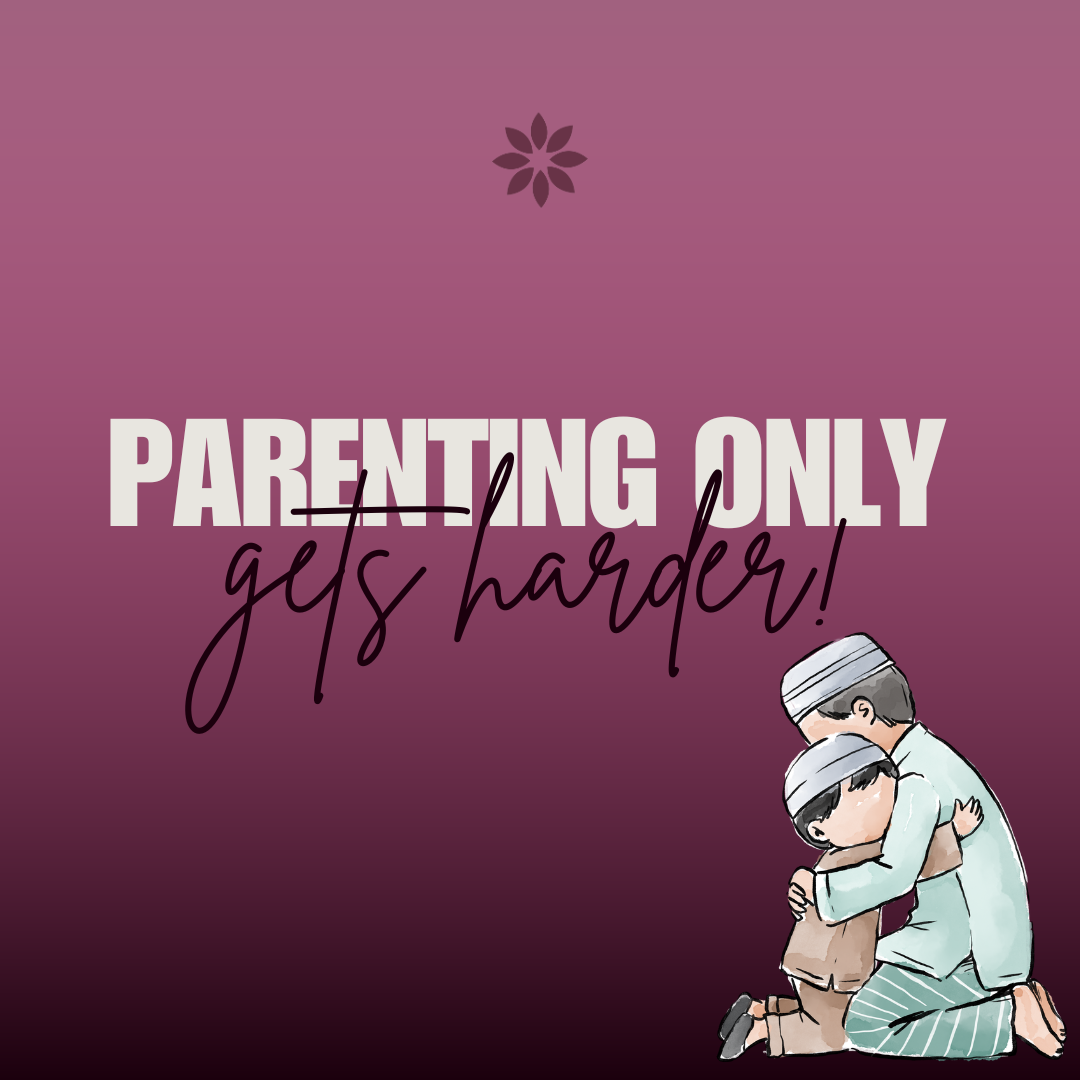
Parenting Styles: The Power of Sabr
Parenting is one of the most beautiful responsibilities Allah ﷻ entrusts to us. It is also one of the greatest tests of patience.
Children do not come with manuals. Some days are full of laughter and connection. Other days test our patience in ways we never imagined. In those moments, Islam reminds us of something powerful: sabr.
Sabr is more than simply “being patient.” It is remaining steady, trusting Allah, and responding with wisdom even when things feel overwhelming.
Allah reminds us in the Quran:
“Indeed, Allah is with the patient.”
[2:153]
Parenting with sabr means recognising that raising children is not just about behaviour. It is about nurturing hearts, building character, and guiding souls toward Allah.
Islam gives us wisdom about how to parent through the different stages of a child’s life.
Parenting Ages 0–7: Lead with Love and Play
The early years of a child’s life are about connection, mercy and nurturing.
At this stage, children are naturally curious and full of energy. Islam encourages parents to show gentleness and affection. The Prophet ﷺ was known for his deep love toward children.
It is narrated that the Prophet ﷺ kissed his grandson Hasan. A companion remarked that he had many children but never kissed them. The Prophet ﷺ replied:
“Whoever does not show mercy will not be shown mercy.”
(Sahih Bukhari)
Children learn through observation and experience. When they see their parents pray, recite dhikr, and speak about Allah with love, those actions begin to shape their hearts.
Instead of strict discipline, these early years are an opportunity to introduce Islam through joy, play and gentle guidance.
Simple things make a lasting impact:
- Let them sit beside you during prayer
- Teach them short duas and adhkar
- Tell them stories of the Prophets
- Encourage creativity through Islamic activities
These moments plant seeds of faith that will grow with time.
Parenting Ages 8–14: Teach and Guide
As children grow older, their understanding deepens. This stage becomes a time for teaching responsibility and strengthening Islamic identity.
The Prophet ﷺ said:
“Command your children to pray when they are seven years old.”
(Abu Dawud)
This stage is not about harshness. Rather, it is about guidance, structure and consistency.
Children begin to ask questions about faith, life, and the world around them. Instead of dismissing these questions, parents can use them as opportunities for meaningful conversations about Islam.
Some helpful ways to guide children during this stage include:
- Creating daily Islamic routines
- Encouraging prayer together as a family
- Teaching the meaning behind acts of worship
- Introducing small acts of charity and kindness
Children at this age also begin forming their identity. Feeling proud of their faith and understanding its beauty helps strengthen that identity.
Parenting Ages 15–21: Mentor & Support
Teenage and young adult years are a time of transition, independence and self-discovery.
At this stage, parenting shifts from instruction to mentorship and companionship.
Young people benefit from feeling heard and respected. They are more likely to stay connected to their faith when they feel safe discussing their struggles and doubts.
The example of Luqman advising his son in the Quran shows the beauty of gentle wisdom and heartfelt advice.
Parents can support their children during this stage by:
- Having open and honest conversations
- Encouraging critical thinking about faith
- Helping them connect Islam to real-life challenges
- Making dua for them consistently
Most importantly, continue modeling sabr and trust in Allah. Children remember the character of their parents long after they leave home.
Building Faith Through Small Habits
Faith is built through small, consistent actions.
One beautiful habit to introduce at home is spending five minutes after every prayer doing dhikr with your child.
This could be as simple as saying together:
- SubhanAllah x33
- Alhamdulillah x33
- Allahu Akbar x33
- La ilaha illa Allah x33
These short moments create powerful memories. Over time, they help children associate peace, remembrance, and connection with their faith.
A Simple Way to Encourage Dhikr
Children often learn best through hands-on activities.

Our Kids DIY Tasbeeh Kit allows children to create their own tasbeeh while learning about dhikr. When they build something themselves, it becomes meaningful and special to them.
It’s a simple way to turn remembrance of Allah into a creative and memorable experience for young hearts.
Parenting with Sabr
Parenting is not about perfection.
There will be moments of frustration, mistakes and exhaustion. What matters most is returning to Allah, making dua for our children, and continuing the journey with patience.
Every act of love, every gentle reminder, every dua made in the quiet of the night is part of the legacy we leave behind.
Through sabr and trust in Allah, we are not just raising children, we are raising believers who carry Islam in their hearts and into future generations inshAllah 🤲
Learn more about our products by shopping the range here. We have both digital and physical products to best suit your needs. Also don’t forget to follow our journey on Instagram here for exclusive content and sales. You’ll also find easy ways to implement Islamic habits into your everyday life.
With love and peace, Amani & Dania 💗